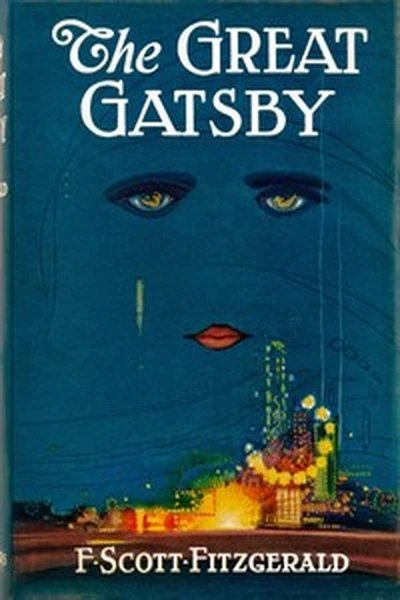
The Great Gatsby Summary
The Gilded Trap of the American Dream and the Illusion of Social Ascent
8 min read12 min audioAI summary + audio
You'll learn
- 1The American Dream is a gilded trap that whispers you can transcend your birth but ultimately isolates you in a golden cage.
- 2True social status is inherited, and no amount of acquired wealth can buy entry into a world that refuses to accept you.
- 3The most opulent displays of wealth are often monuments to profound loneliness and a desperate need for validation.
- 4It is a tragic impossibility to reclaim the past because time creates physical and emotional realities that cannot be erased.
- 5The elite use their fortunes as shields to retreat into safety, leaving those who try to climb their ladder to bleed in their wake.
- 6Obsession can transform a person's entire life into a stage set designed to impress a single person who can never truly be reached.
About this summary
What if your entire life is just a lavish stage set designed to impress someone who is fundamentally unreachable?
A dinner table in East Egg smells of expensive flowers and hidden resentment.
intermediateLiterary FictionSocial StratificationAmerican DreamTragedyClass Conflict
What's inside
A chapter-by-chapter breakdown of the key ideas — read the full summary or listen to the narration.
- 1CHAPTER 1 — Nick introduces the oppressive atmosphere of East Egg and the divide between old and new money. Wealth is revealed as a mask for hidden resentment and domestic emptiness.
What you'll walk away with
- “What if the things you are accumulating are not tools for your future, but stage sets designed to hide your vulnerability from others?”
- “Notice when you are attempting to solve an emotional void with a material achievement.”
Ratings & reviews
Top reviews
No ratings yet. Be the first to review.
You might also like
Literature & Classics
More Literature & Classics books
Trending
Popular right now
ReadOrion summaries and audio are AI-generated — condensed interpretations of the key ideas, not substitutes for the original works.
All rights to source books belong to their authors and publishers.