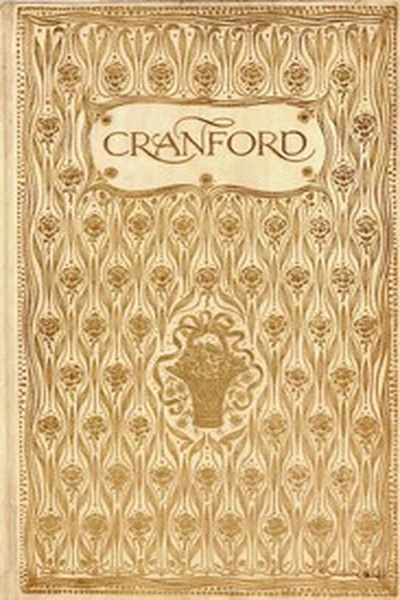
Cranford Summary
The Fragile Performance of Gentility and the Cost of Propriety
11 min read16 min audioAI summary + audio
You'll learn
- 1Rigid adherence to social rank is a form of psychological imprisonment that erases individual identity.
- 2Gentility is often a survival mechanism used to mask loneliness and the terror of becoming irrelevant.
- 3True nobility is found in selfless sacrifice and moral courage rather than the performance of status.
- 4Strict social hierarchies are fragile illusions that are instantly shattered by the shared language of human suffering.
- 5Love is a disruptive force that renders the performance of social class and the rules of propriety irrelevant.
- 6Security is not found in financial stability or social standing but in the unconditional bonds of family and community.
- 7Kindness and clever manipulation can dismantle the most suffocating social constraints when honesty is too risky.
About this summary
What happens when a town's obsession with rigid etiquette is the only thing masking their collective terror of becoming irrelevant?
A heavy red silk umbrella leans against a doorframe, nearly as large as the frail spinster who carries it.
intermediateVictorian LiteratureSocial SatireClass DynamicsFemale FriendshipClassic Fiction
What's inside
A chapter-by-chapter breakdown of the key ideas — read the full summary or listen to the narration.
- 1PART 1 — CHAPTERS 1–2 — The town of Cranford maintains a fortress of denial regarding its poverty through strict rituals. Propriety is used as a shield to hide desperation.
What you'll walk away with
- “What if the rules you follow to protect your dignity are actually the walls of your own prison?”
- “Notice how often people use a performance of status to hide a desperate need for connection.”
Ratings & reviews
Top reviews
No ratings yet. Be the first to review.
You might also like
Literature & Classics
More Literature & Classics books


Trending
Popular right now

ReadOrion summaries and audio are AI-generated — condensed interpretations of the key ideas, not substitutes for the original works.
All rights to source books belong to their authors and publishers.